How fast can Southaven Porta Pros respond to a disaster?
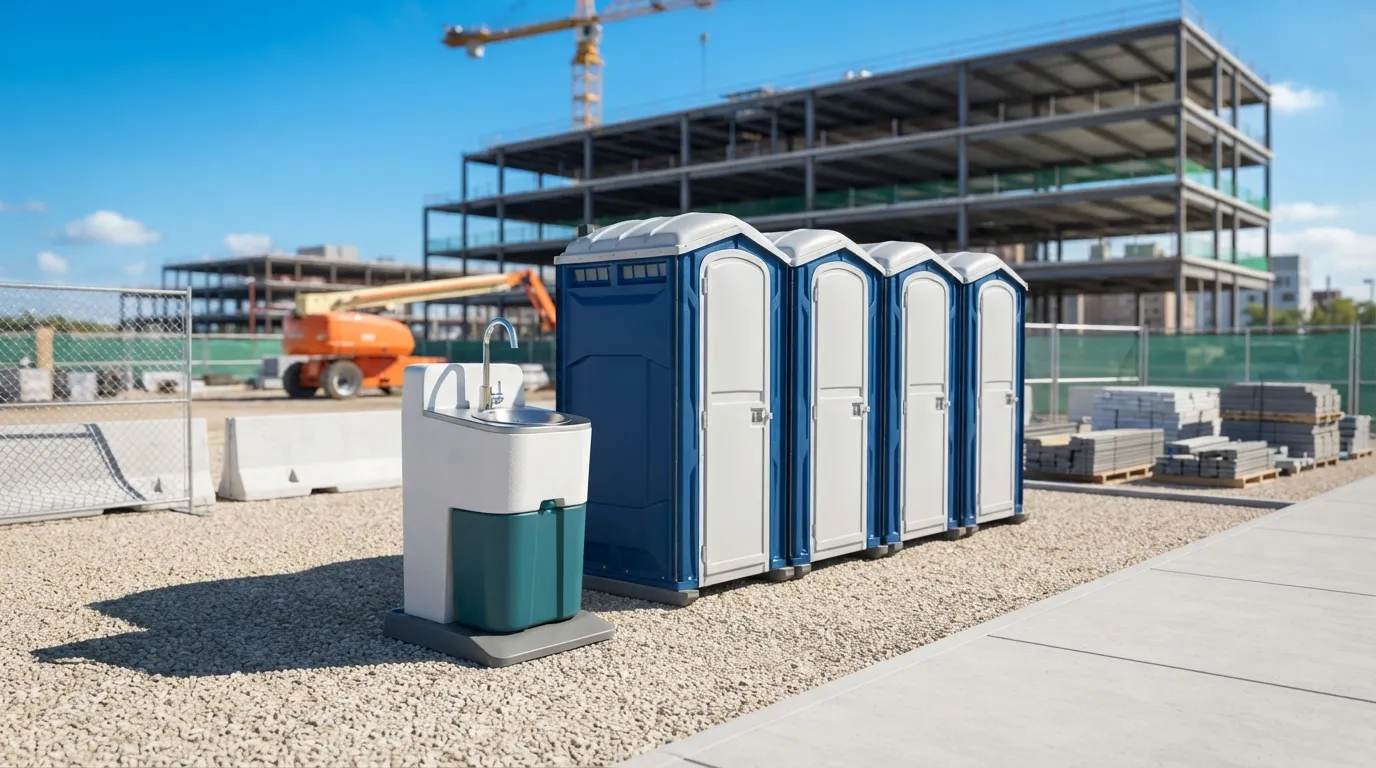
Storm response does not wait for a normal delivery window, and neither do we. A roll-off delivery truck needs about 60 feet of straight clearance behind it, so we scout shelter parking lots and staging areas in Southaven before the truck ever leaves the yard. That prep work is what lets us move fast once the call comes in. If the National Guard or a county EMA sets up a command post, we can run temporary fencing around the perimeter and light towers for after-dark operations the same visit. Crews already stretched thin on debris and power restoration should not also be hunting for a bathroom. We stock standard portable toilets, ADA accessible units, and full restroom trailers for longer-term shelter operations, and we can scale a shelter site up from a handful of units to a hundred as population shifts. Southaven sits close enough to Horn Lake, 5.6 miles west, and Hernando, 8.7 miles south, that a single dispatch run can often cover more than one affected site without a second mobilization. For a fast read on what a deployment might run, our porta potty rental cost page breaks down day, week and event pricing, and the emergency porta potty rental page covers rush logistics in more depth. We also carry handwashing stations and portable sinks that pair with any restroom deployment, because water service is often the first thing to fail.
What sanitation is required at an emergency shelter or relief site?
OSHA 1926.51(c) sets ratios that many county emergency plans lean on even outside a formal jobsite: 1 toilet facility for 20 workers or fewer, then 1 toilet seat and 1 urinal per 40 workers as headcount climbs past 20, dropping to one per 50 once a site tops 200 people. Shelters run by volunteers and displaced families are not a construction crew, but the ratio is still the most workable planning number available, and it is what we use to size a deployment when a shelter director asks "how many do we need." Our how many porta potties do I need guide walks through the math for a specific headcount. Water matters just as much as toilets. OSHA 1926.51(a)(1) requires an adequate supply of potable water at any place of employment, and a relief site staffed by responders and volunteers should treat that the same way a jobsite would. Accessibility cannot be an afterthought either: ADA Standards section 213.2 requires that at least 5 percent of a cluster of single-user units be accessible, never fewer than one, and our ADA restroom requirements page covers the clearances in detail, including the 60 inch turning circle called for under ADA Standards 304.3.1. If the relief site is on agricultural land or near a farm staging area, OSHA 1928.110 sets a separate field sanitation standard: one facility per 20 hand-labor employees, reachable within a quarter mile walk, which our farm and agricultural restrooms page addresses directly.
Can Southaven Porta Pros supply septic and holding tank support during a disaster?
Yes, and it is often the piece people forget until a shelter's existing septic system backs up under sudden heavy use. A residential septic tank is typically pumped every 3 to 5 years under normal use, but a shelter running at capacity for days can push a system past its limit fast, and that calls for emergency pumping, not a scheduled visit. Our emergency septic service crews can pump out a failing tank and, where a site has no working sewer connection at all, our holding tank rental units give a shelter or command post a temporary tank to run on while permanent repairs happen. If the relief site includes a feeding operation, a church kitchen or a mobile canteen, grease builds up fast under emergency-scale cooking, and a grease interceptor should be pumped once fats, oils, grease and solids hit 25 percent of the liquid depth; our grease trap pumping page covers that service. For debris cleanup that follows a storm, we also run roll-off dumpsters in sizes from a 10 yard up through a 30 yard container, and a storage container rental can secure recovered equipment or donated supplies onsite. Olive Branch, 9.2 miles east of Southaven, and Germantown, 20.8 miles northeast, both fall within a range where one dispatch can serve multiple relief points in a single trip.
How quickly can units be delivered after a disaster hits Southaven?
We prioritize disaster calls ahead of standard bookings and move units the same day whenever roads and site access allow. Delivery timing depends on storm conditions and site clearance, not a fixed promise. Call Southaven Porta Pros directly rather than submitting a standard quote form during an active event.
Who pays for emergency sanitation at a shelter site?
That depends on whether the deployment is county-coordinated, church-run or privately arranged, and billing arrangements vary by situation. We invoice whoever authorizes the order, whether that is an emergency management office, a venue or a private organizer. Ask about it when you call.
Do you provide ADA accessible units for shelter sites?
Yes. ADA Standards section 213.2 requires at least one accessible unit in any cluster, and we stock ADA accessible porta potties built with a 32 inch clear door opening under ADA Standards 404.2.3. We include one automatically once headcount justifies a cluster.
Can you supply handwashing stations without a full restroom order?
Yes, standalone handwashing stations are common at feeding sites and donation centers. 29 CFR 1910.141(d)(2) requires soap and towels or a hand-drying device at any washing facility, and hand sanitizer alone does not satisfy that. See handwashing station rental for unit details.
What if the shelter site has no road access for a delivery truck?
Tell us before the truck rolls. Our drivers need roughly 60 feet of clear straight approach behind the vehicle for a roll-off or trailer delivery, and tight shelter lots or flooded access roads sometimes require a smaller unit configuration instead.
Next step
Get a delivery date
Tell us the address, the dates and the headcount. We size the order and confirm the route.